
Dental Crowns: Restoring Your Smile and Confidence
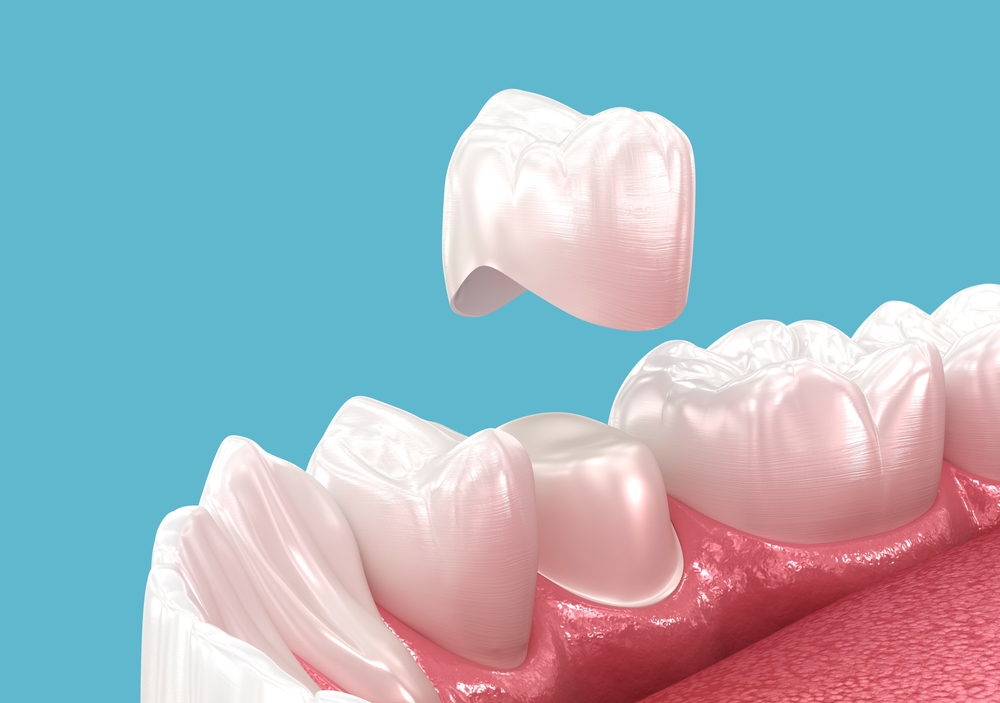
A confident smile can light up a room, boost your self-esteem, and leave a lasting impression. However, damaged or decayed teeth can affect both your confidence and oral health. Dental crowns provide an excellent solution to restore the strength, function, and appearance of your teeth.
What Are Dental Crowns?
Dental crowns, often called caps, are custom-made restorations placed over a damaged or weakened tooth. They are designed to protect the tooth while restoring its shape, size, strength, and natural appearance. Crowns can be crafted from various materials such as porcelain, ceramic, metal, or composite resin to suit individual needs.
Why Are Dental Crowns Necessary?
Dental crowns serve multiple important purposes in restorative and cosmetic dentistry:
- Restoration: Repairing cracked, chipped, or severely decayed teeth.
- Protection: Strengthening teeth after root canal treatment or large fillings.
- Aesthetic Enhancement: Improving the appearance of discolored or misshapen teeth.
- Support: Holding a dental bridge in place or covering a dental implant.
Types of Dental Crowns
Porcelain Crowns
Porcelain crowns are known for their natural appearance. They blend seamlessly with surrounding teeth, making them ideal for front teeth restorations.
Ceramic Crowns
Ceramic crowns offer excellent durability and aesthetics. They are a great option for patients with metal sensitivities and provide a lifelike finish.
Metal Crowns
Metal crowns, often made from gold or other alloys, are extremely strong and long-lasting. They are commonly used for molars where durability is essential.
Porcelain-Fused-to-Metal Crowns
These crowns combine the strength of metal with the natural appearance of porcelain, offering both durability and cosmetic appeal.
Composite Resin Crowns
Composite crowns are more affordable but may not be as durable as other materials. They are often used as temporary restorations.
The Procedure for Getting a Dental Crown
Consultation and Evaluation
Your dentist will examine your tooth and overall oral health to determine if a crown is the best treatment option. X-rays may be taken to assess the tooth’s roots and surrounding bone.
Tooth Preparation
The tooth is reshaped to make space for the crown. Any decay is removed, and the structure is prepared to ensure a secure and comfortable fit.
Impressions and Temporary Crown
Impressions of your teeth are taken to create a custom crown. A temporary crown is placed to protect the prepared tooth while the permanent crown is fabricated.
Crown Placement
Once the permanent crown is ready, it is carefully positioned and bonded to your tooth using dental cement. The dentist ensures proper fit, bite alignment, and color matching.
Benefits of Dental Crowns
- Improved Appearance: Restores the natural look of damaged teeth.
- Durability: Long-lasting solution with proper care.
- Enhanced Function: Restores chewing and speaking ability.
- Protection: Prevents further damage or decay.
How to Care for Your Dental Crowns
- Maintain Oral Hygiene: Brush twice daily and floss regularly to keep the area around the crown clean.
- Avoid Hard or Sticky Foods: Reduce the risk of damaging the crown.
- Schedule Regular Check-Ups: Routine dental visits help monitor the condition of your crown.
- Use a Nightguard if Needed: Protect your crown from grinding or clenching.
Frequently Asked Questions
Are dental crowns painful?
The procedure is typically comfortable as local anesthesia is used. Mild sensitivity may occur temporarily after placement.
How long do dental crowns last?
With proper care, dental crowns can last 10 to 15 years or longer, depending on the material and oral hygiene habits.
Can a damaged crown be repaired?
Minor damage may be repairable, but significant fractures often require replacement.
Are there alternatives to crowns?
Alternatives may include veneers, inlays, or onlays, depending on the condition of the tooth.
Dental crowns are a reliable solution for restoring damaged teeth and improving your smile. If you are considering a crown, consult your dentist to determine the best treatment option for your needs and achieve a healthy, confident smile.