
Mouthguards
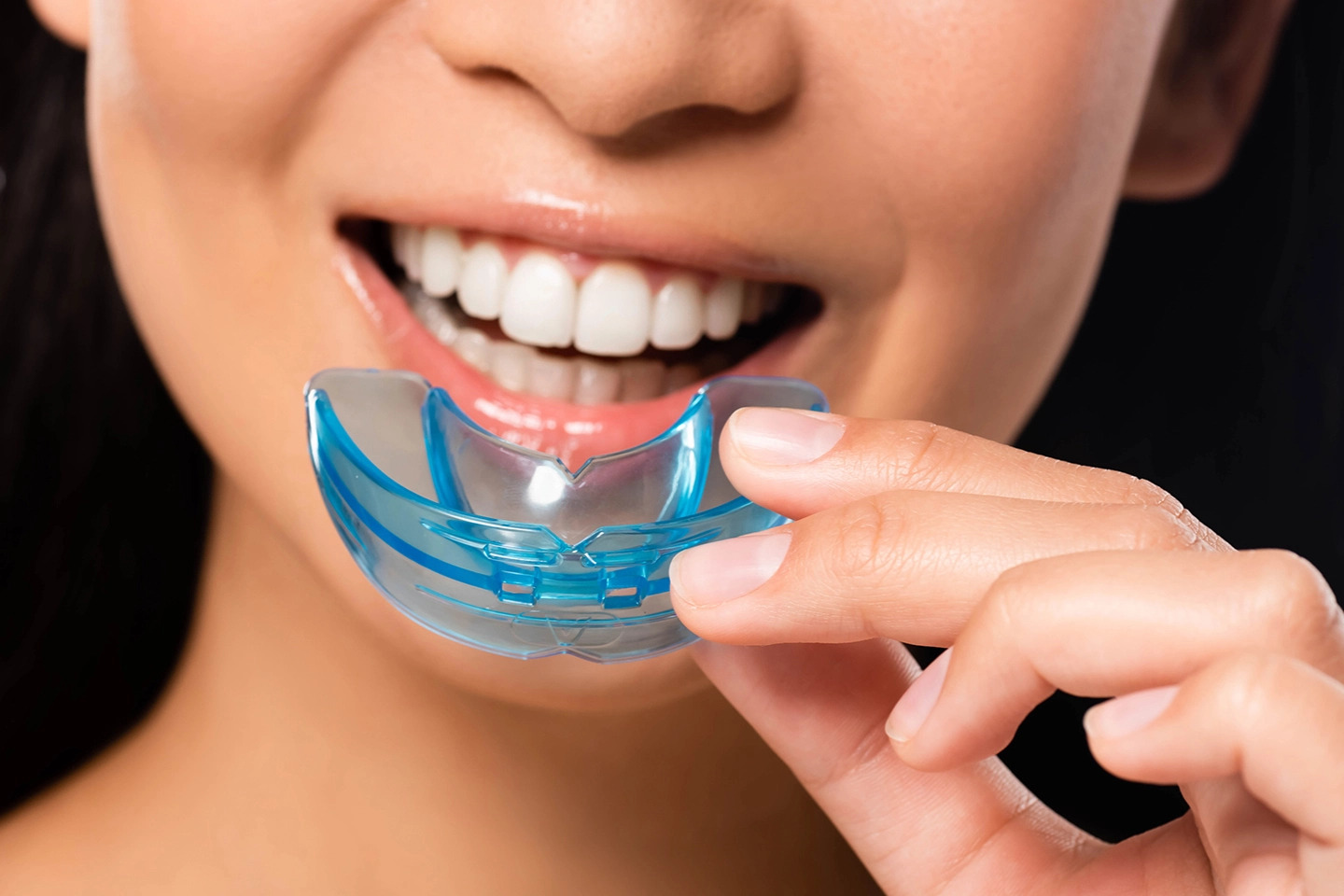
Are you an athlete looking to safeguard your teeth during intense physical activities? Or perhaps you suffer from bruxism and need a solution to protect your teeth from grinding and clenching? Look no further than mouthguards, a simple yet effective dental appliance that can save your smile from potential damage.
According to the American Dental Association, athletes who do not wear mouthguards are 60 times more likely to suffer dental injuries than those who do. But what exactly is a mouthguard? Imagine a shield for your teeth, crafted to fit snugly over them, providing a barrier against impacts, clenching, and grinding. Essentially, it's a protective device designed to cushion your teeth and jaw against various forms of trauma and pressure.
Uses and Benefits of Mouthguards
Mouthguards are versatile dental devices designed to protect your teeth, gums, lips, and jaw during various activities. Here are some common uses and benefits:
- Sports Protection: Mouthguards are essential for athletes participating in contact sports such as football, basketball, and hockey. They act as a cushion against impacts to the face, reducing the risk of broken teeth, lacerations, and jaw injuries.
- Bruxism Management: If you suffer from bruxism, a condition characterized by teeth grinding and jaw clenching, wearing a mouthguard at night can help alleviate symptoms and prevent further damage to your teeth.
- Orthodontic Care: Mouthguards are particularly beneficial for individuals with braces or other orthodontic appliances. They provide an extra layer of protection against injuries caused by accidental impacts or falls during physical activities.
- TMJ Disorders: For patients with temporomandibular joint (TMJ) disorders, wearing a mouthguard can help alleviate pain and discomfort by reducing pressure on the jaw joint.
- Prevention of Snoring: Some mouthguards are designed to reposition the lower jaw slightly forward, which can help alleviate snoring and improve breathing during sleep.
- Prevention of Tooth Wear: By creating a barrier between the upper and lower teeth, mouthguards help prevent excessive wear and tear on tooth enamel, reducing the risk of tooth damage and sensitivity.
Different Types of Mouthguards
- Stock Mouthguards: These pre-formed mouthguards are ready to wear right out of the package but offer limited customization and may not provide the best fit or protection.
- Boil-and-Bite Mouthguards: Made from thermoplastic material, boil-and-bite mouthguards can be softened in hot water and then molded to fit your teeth for a more customized fit.
- Custom-Fitted Mouthguards: Crafted by a dentist using impressions of your teeth, custom-fitted mouthguards offer the highest level of protection and comfort, as they are tailored to your unique bite.
- Double-Layer Mouthguards: These mouthguards feature a soft inner layer for cushioning and a harder outer layer for durability, providing optimal protection against impacts.
- Night Guards: Specifically designed for nighttime use, night guards are worn by individuals with bruxism to prevent teeth grinding and jaw clenching while they sleep.
Mouthguards for Children: Why They're Essential for Young Athletes
As a parent, ensuring your child's safety during sports activities is paramount. Mouthguards play a crucial role in protecting young athletes from dental injuries that could have long-term consequences. Custom-fitted mouthguards, recommended by our doctors, offer the best fit and protection for young athletes, ensuring they can play safely and confidently. Here's why mouthguards are essential for children:
- Children are more prone to dental injuries due to their developing coordination and tendency to engage in high-energy activities.
- Mouthguards can prevent or minimize the severity of injuries such as knocked-out teeth, fractured teeth, and soft tissue damage.
- Early introduction to mouthguard use instills good dental hygiene habits and promotes overall oral health awareness in children.
Bruxism and Mouthguards: Managing Teeth Grinding and Jaw Clenching
Bruxism or teeth grinding and jaw clenching can wreak havoc on your oral health if left untreated. Fortunately, wearing a mouthguard can help manage bruxism symptoms and protect your teeth from damage. Here's how mouthguards can help:
- Mouthguards create a physical barrier between the upper and lower teeth, preventing direct contact and reducing the effects of grinding and clenching.
- By absorbing the forces generated during bruxism episodes, mouthguards minimize the risk of tooth wear, fractures, and jaw pain.
- Custom-fitted mouthguards are designed to accommodate the unique bite and jaw movements of each patient, ensuring maximum comfort and effectiveness.
Custom Mouthguards: How They're Made and Fitted to Your Unique Bite
- Initial Consultation: We will discuss your specific needs and concerns related to mouthguard use, taking into account factors such as your dental history, lifestyle, and activity level.
- Impression Taking: Using advanced dental technology, we will take precise impressions of your teeth to create a custom mouthguard that fits snugly and comfortably.
- Fabrication: Your impressions will be sent to a dental lab, where skilled technicians will fabricate your mouthguard using high-quality materials chosen for durability and effectiveness.
- Fitting Appointment: Once your custom mouthguard is ready, you'll return to our doctor’s office for a fitting appointment. Adjustments will be made if necessary for optimal comfort and performance.
- Follow-Up Care: We will provide instructions on how to care for your mouthguard and schedule regular follow-up appointments to ensure it remains in good condition and continues to provide adequate protection.
Mouthguards for Braces: Ensuring Orthodontic Patients Stay Safe During Physical Activity
Orthodontic patients often worry about participating in sports due to the risk of damaging their braces. Braces increase the risk of soft tissue injuries in the mouth during impacts or falls, making mouthguards crucial for preventing cuts, lacerations, and bruises. Mouthguards provide an additional layer of protection for both the teeth and the braces themselves, reducing the likelihood of damage or dislodgement.
How to Care for Your Mouthguard
- Clean Daily: After each use, rinse your mouthguard with cool water and mild soap or mouthwash to remove debris or bacteria.
- Brush Gently: Use a soft-bristled toothbrush to scrub the surface gently, taking care not to damage delicate components.
- Store Safely: Keep your mouthguard in its protective case when not in use to prevent damage or loss.
- Avoid Heat: Avoid exposing your mouthguard to high temperatures, as this can cause warping or distortion.
- Inspect Regularly: Check for signs of wear such as tears, cracks, or loose fittings, and replace if necessary.
- Keep Away from Pets: Store it safely to prevent pets from chewing or damaging it.
- Avoid Chewing: Do not chew on your mouthguard, as this weakens the material.
- Replace as Needed: Depending on wear and tear, replace your mouthguard every six months to one year.
- Seek Professional Help: If you have concerns about the condition or effectiveness, consult our experts for guidance.
Investing in a quality mouthguard is essential for protecting your smile and overall oral health. Whether you're an athlete, suffer from bruxism, or undergoing orthodontic treatment, we can help you find the perfect mouthguard solution tailored to your needs. Schedule an appointment today to ensure your smile stays safe and healthy for years to come.