
Porcelain Veneers vs. Dental Crowns: Which Is Right for You?
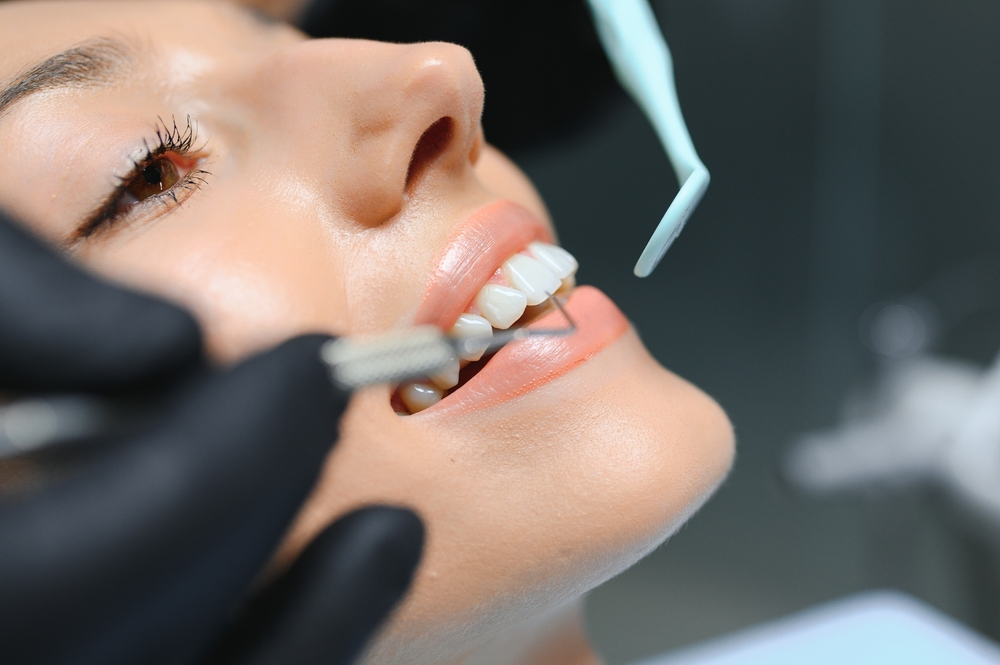
Your smile is one of your most valuable assets, and modern dentistry offers several ways to improve and restore it. Among the most popular options are porcelain veneers and dental crowns. While both enhance the appearance and function of your teeth, they are designed for different purposes. Understanding their differences can help you make the right choice.
What Are Porcelain Veneers?
Porcelain veneers are ultra-thin ceramic shells bonded to the front surface of teeth. They are primarily used for cosmetic improvements and are ideal for correcting minor imperfections.
- Covering Stains: Conceal deep discoloration or stains.
- Fixing Minor Chips: Restore small cracks or chips.
- Improving Shape: Correct uneven or slightly misaligned teeth.
- Closing Gaps: Reduce small spaces between teeth.
Veneers require minimal enamel removal, making them a conservative and aesthetic solution for smile enhancement.
What Are Dental Crowns?
Dental crowns are tooth-shaped caps that completely cover the visible portion of a tooth. They are used to restore strength, structure, and function while also improving appearance.
- Protecting Weak Teeth: Ideal for fractured or weakened teeth.
- Restoring Severe Decay: Used when a filling is not sufficient.
- Covering Large Restorations: Protect teeth with large fillings.
- Post Root Canal Protection: Strengthen treated teeth.
Crowns are made from materials such as porcelain, ceramic, metal, or a combination, offering durability and long-term protection.
Key Differences Between Veneers and Crowns
Purpose and Coverage
Veneers cover only the front surface of a tooth and focus mainly on cosmetic enhancement. Crowns cover the entire tooth and provide structural reinforcement.
Tooth Preparation
Veneers require minimal reshaping of enamel, whereas crowns involve more extensive preparation to ensure proper fit and strength.
Strength and Durability
Crowns are stronger and better suited for teeth that endure heavy chewing forces, such as molars. Veneers are durable but more suitable for front teeth and cosmetic cases.
Benefits of Porcelain Veneers
- Natural Appearance: Mimic the translucency of real teeth.
- Minimally Invasive: Preserve most of the natural tooth structure.
- Quick Transformation: Noticeable results in a short time.
- Longevity: Can last 10–15 years with proper care.
Benefits of Dental Crowns
- Full Protection: Strengthen and protect damaged teeth.
- Versatility: Suitable for restorative and cosmetic needs.
- Durability: Long-lasting with proper maintenance.
- Functional Restoration: Restore normal chewing and biting ability.
When to Choose Veneers
Veneers are ideal when teeth are structurally sound but have cosmetic flaws such as stains, minor chips, or slight misalignment. They are perfect for patients seeking aesthetic improvement with minimal alteration.
When to Choose Crowns
Crowns are recommended when teeth are weak, fractured, severely decayed, or treated with a root canal. They provide the strength and protection necessary to maintain long-term oral health.
Maintenance and Care
- Practice Good Oral Hygiene: Brush and floss daily.
- Avoid Hard Objects: Do not bite ice or hard items.
- Wear a Mouthguard: Protect restorations if you grind your teeth.
- Regular Dental Visits: Maintain routine check-ups and cleanings.
Conclusion
Both porcelain veneers and dental crowns are effective solutions for improving your smile, each serving different needs. Veneers enhance appearance with minimal intervention, while crowns provide strength and comprehensive restoration. Consulting with your dentist will help determine the best option based on your dental condition and goals.