
Sealants
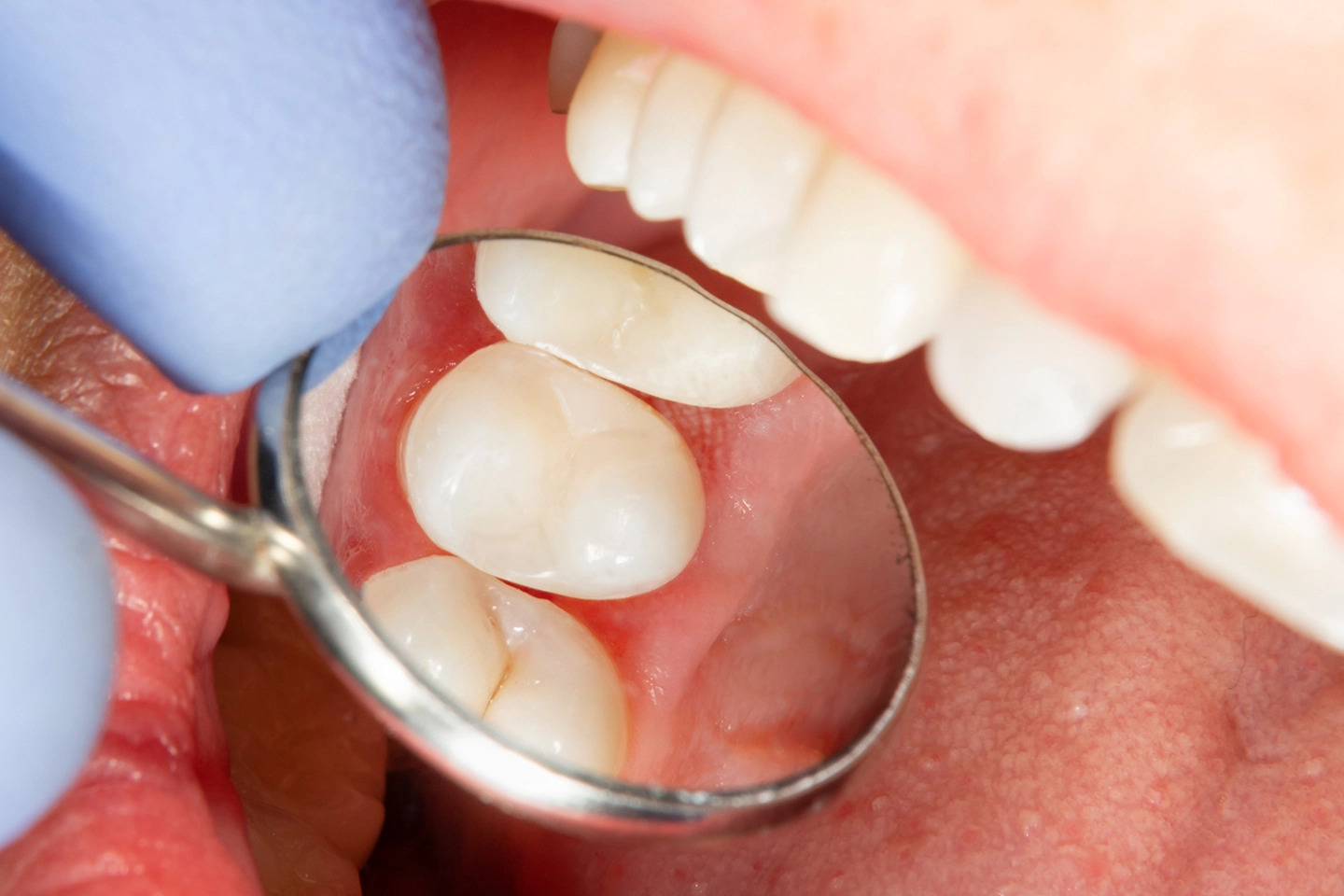
Within the field of pediatric dentistry, preventive measures are essential for preserving dental health and averting future dental issues. Sealants are a particularly successful preventive measure against cavities when applied to newly erupted first and second permanent teeth. In this extensive blog, we explore the importance of sealants, their benefits, how to apply them, and why they are regarded as the cornerstone of children's preventive dental care.
Understanding Sealers
The chewing surfaces of a child's recently erupted permanent molars are coated with thin, plastic-like compounds called sealants. The posterior molars, or rear teeth, are prone to decay because of their deep depressions and grooves that can collect food particles and bacteria. By filling in these grooves and creating a smooth surface, sealants act as a protective barrier, preventing cavity-causing buildup and reducing the risk of dental decay.
The Application Process
One simple, painless technique that can be done during a regular dentist visit is the application of sealants. Here's a quick rundown of the procedures involved:
- Organizing and Setting Up: To start, the dentist or dental hygienist carefully cleans the tooth surface to get rid of any bacteria, dirt, or plaque. This stage guarantees that the sealant will adhere to the tooth structure as best it can.
- Isolation: Using cotton rolls or a dental dam, the surrounding region is isolated to guarantee that the tooth stays dry during the application process. By doing this, moisture contamination is avoided, which can reduce the sealant's effectiveness.
- Application of Sealant: The molars' chewing surfaces are coated with sealant material once the tooth has been prepared. The dentist or dental hygienist carefully applies the sealant over the tooth's depressions and grooves to ensure full coverage.
- Curing: A specialized curing light is used to activate the sealant substance, hardening it and ensuring good adhesion to the tooth surface. This step finishes the sealing process and usually takes a few seconds.
- Evaluation and Adjustment: To guarantee a smooth and consistent surface, the dentist examines the sealant for any extra material and makes any required modifications after it has hardened. The sealed tooth is then inspected to make sure it is positioned correctly and functions well.
Benefits of Sealants
- Cavity Prevention: Sealants form a barrier that keeps food particles and germs from building up and causing decay by sealing off the molars' deep grooves and cracks. This preventative measure lowers the chance of cavities and helps maintain good oral health over time.
- Non-Invasive: Sealants don't need drilling or removing good tooth structure, in contrast to more standard dental procedures like crowns or fillings. They are therefore a great preventive choice for kids who might be afraid of the dentist.
- Prolonged Protection: When properly applied and maintained, sealants can offer years of cavity prevention. With routine dental exams and good oral hygiene practices, sealants help protect children's teeth throughout their early years and beyond.
- BPA-Free: Our sealant material is formulated to be free of bisphenol A (BPA), a chemical compound that has raised concerns about potential health risks. Parents can have peace of mind knowing that our sealants prioritize safety and are free from harmful substances.
Considerations for Sealants
- Timing: Sealants are commonly given at the age of six or seven when the first permanent teeth erupt and again at the age of twelve or thirteen when the second molars erupt. Sealants are most effective when applied early since they shield teeth at their most vulnerable.
- Maintenance: Although sealants offer long-lasting protection, routine dental exams are necessary to monitor their condition and ensure they remain intact. If worn down or damaged over time, a sealant may need to be renewed or repaired.
- Oral Hygiene: Although sealants provide an additional layer of defense against cavities, they do not replace proper dental hygiene. Encouraging children to brush twice a day, floss regularly, and limit sugary snacks and drinks is essential for maintaining overall oral health.
Effectiveness of Sealants
Sealants have been shown in numerous trials to be beneficial in preventing cavities and lowering the risk of tooth decay in youngsters. According to the Centers for Disease Control and Prevention (CDC), dental sealants can significantly lower the incidence of cavities in permanent molars by up to 80% in the first two years following application, and they can continue to provide protection for up to four years or more.
Additionally, studies have demonstrated that sealants are especially helpful for kids who might struggle to maintain good oral hygiene habits or who are more susceptible to dental caries because of factors such as diet, heredity, or medical conditions. By providing an additional barrier against cavity-causing bacteria, sealants help level the playing field and empower children to maintain healthy smiles regardless of their individual risk factors.
The foundation of children's preventative dental treatment is sealants on newly erupted first and second permanent molars, which provide efficient cavity prevention and support long-term oral health. Sealants lower the chance of dental decay and prevent cavity-causing accumulation by filling up the molars' grooves and depressions. Sealants play a critical role in protecting children's teeth and laying the groundwork for lifelong good dental practices because of their non-invasive nature, durability, and dedication to safety.
Make an appointment for a consultation with our knowledgeable dental experts right now to find out more about sealants and other preventive care for your child.