
Tooth Fillings
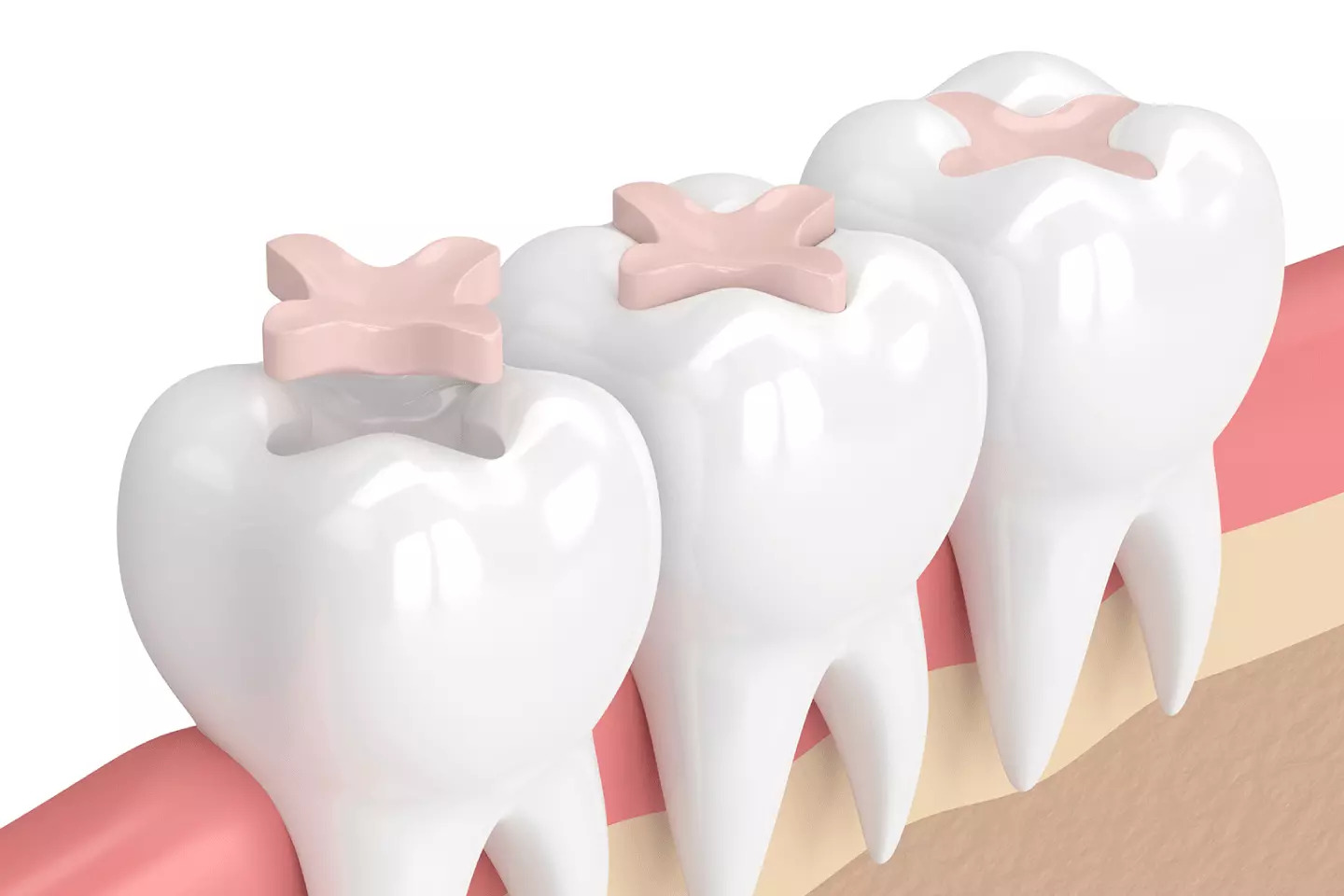
In order to maintain oral health and restore the integrity of teeth that have rotted or been damaged, tooth fillings are essential. Tooth-colored resin fillings, sometimes referred to as composite fillings, are becoming more and more popular among the several kinds of fillings that are available because of their aesthetic appeal and practical advantages. We'll go over the main points of dental fillings in this extensive guide, including their advantages, symptoms, and suggested consultation procedures.
Understanding Tooth Fillings
Composite materials called tooth-colored resin fillings are used to treat and fill in the areas left by cavities in teeth. Composite fillings perfectly blend in with the natural color of the teeth, in contrast to typical metal fillings, which are conspicuous and may take away from the aesthetics of a smile. Because of its natural appearance, people may grin with confidence and not be concerned about their fillings.
Key Benefits of Tooth Fillings
Tooth fillings offer several benefits beyond merely restoring dental cavities. Some of the key advantages include:
- Protection of Natural Tooth Structure: By sealing off cavities and halting more decay or damage, fillings aid in the preservation of the healthy tooth structure that is still present.
- Biocompatibility and Aesthetic Appeal: Tooth-colored resin fillings minimize the visibility of dental restorations while guaranteeing a natural appearance. They blend in perfectly with the natural color of the teeth.
- Low Maintenance: Composite fillings are incredibly durable and low maintenance, providing long-lasting results when combined with good oral care and routine dental examinations.
- Restoration of Chewing Function: Fillings help maintain appropriate bite alignment and chewing function by repairing damaged tooth surfaces and filling cavities. This enables people to eat a variety of foods without experiencing discomfort.
- Enhanced Smile Confidence: The natural appearance of tooth-colored fillings enables individuals to smile confidently, knowing that their dental restorations are virtually indistinguishable from natural teeth.
Approach for Filling Consultation
It is imperative that you take proactive measures to treat the issue if you believe you may require dental fillings. This is the suggested method for completing the consultation process:
- Make an Appointment: Make an appointment for a consultation with a reputable dentist to have your oral health and any necessary treatments assessed.
- In-depth Analysis: During the consultation, the dentist will thoroughly examine your teeth, gums, and oral tissues to determine the level of decay or damage that needs to be treated.
- Treatment Planning: Based on the examination results, the dentist will create a customized treatment plan that may include the application of dental fillings to repair broken or decayed teeth.
Types of Filling Materials
While tooth-colored resin fillings are commonly used for their aesthetic appeal, several other types of filling materials are available, each with unique characteristics and applications:
- Composite Resin Fillings: Made of a mixture of plastic and finely ground glass particles, these fillings offer excellent aesthetics and can be custom-shaded to match natural teeth. Suitable for both front and back teeth.
- Amalgam Fillings: Also known as silver fillings, they consist of metals including silver, mercury, tin, and copper. They are durable and cost-effective but more noticeable than composite fillings.
- Gold Fillings: Made of gold alloy, they are highly durable and long-lasting. They offer excellent strength for back teeth but are more visible.
- Ceramic Fillings: Also called porcelain fillings, they closely mimic natural teeth and are highly biocompatible and stain-resistant.
Symptoms That Indicate the Need for Fillings
- Pain in the Tooth During Eating: Persistent pain or discomfort while chewing may indicate a cavity that needs filling.
- Hole in Teeth: Visible pits or holes may be indicators of dental disease and require treatment.
- Tooth Sensitivity to Hot or Cold Food: Sensitivity when consuming hot or cold foods may signal decay or enamel erosion.
- Lost Previous Filling in Tooth: If a previous filling becomes loose or falls out, it should be replaced promptly to prevent further decay.
What to Do Next?
If you require dental fillings or notice signs of dental decay, it is important to take prompt action to preserve your oral health. If you live in the Amesbury or Boston area and require emergency dental care for tooth fillings or other dental concerns, contact our friendly staff. Our mission is to restore your oral health and smile by providing comprehensive treatment plans and compassionate care.
Dental fillings are essential for maintaining healthy teeth and restoring the appearance and functionality of decayed or damaged teeth. With tooth-colored resin fillings, individuals can benefit from natural-looking restorations that blend seamlessly with their smiles. By recognizing the signs that fillings are needed and seeking timely consultation and treatment, individuals can maintain their oral health and smile with confidence.